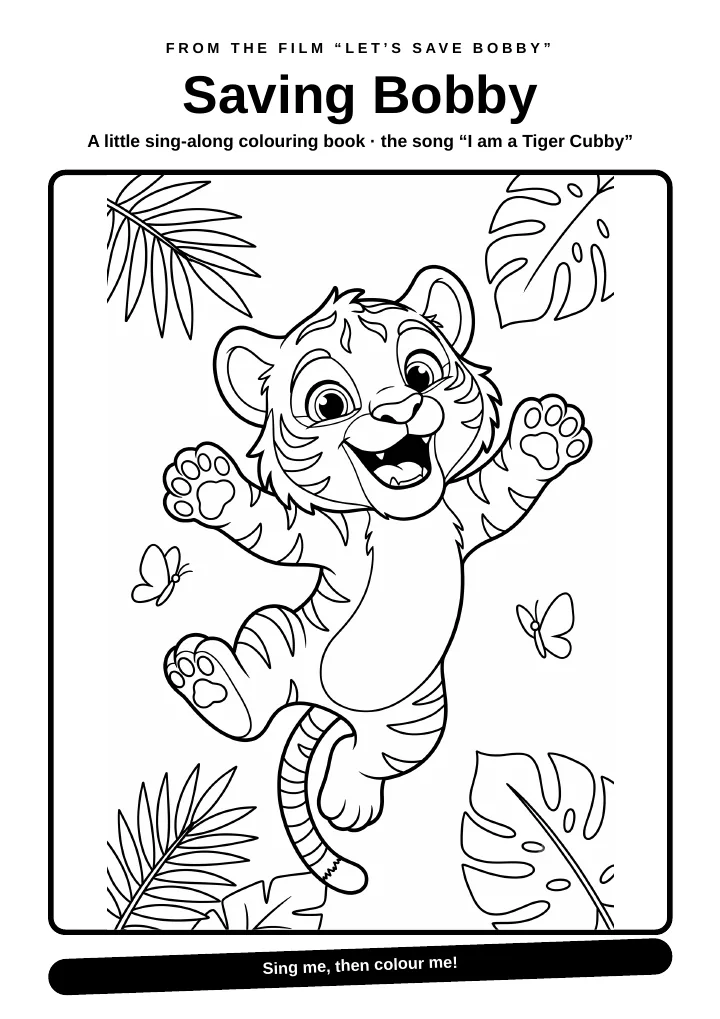
Saving Bobby
A sing-along colouring book with the film's song “I am a Tiger Cubby”, a few lines on each page in English and Hindi. Sing it, then colour it in.
Coming soonThe film is coming soon! I can’t wait!
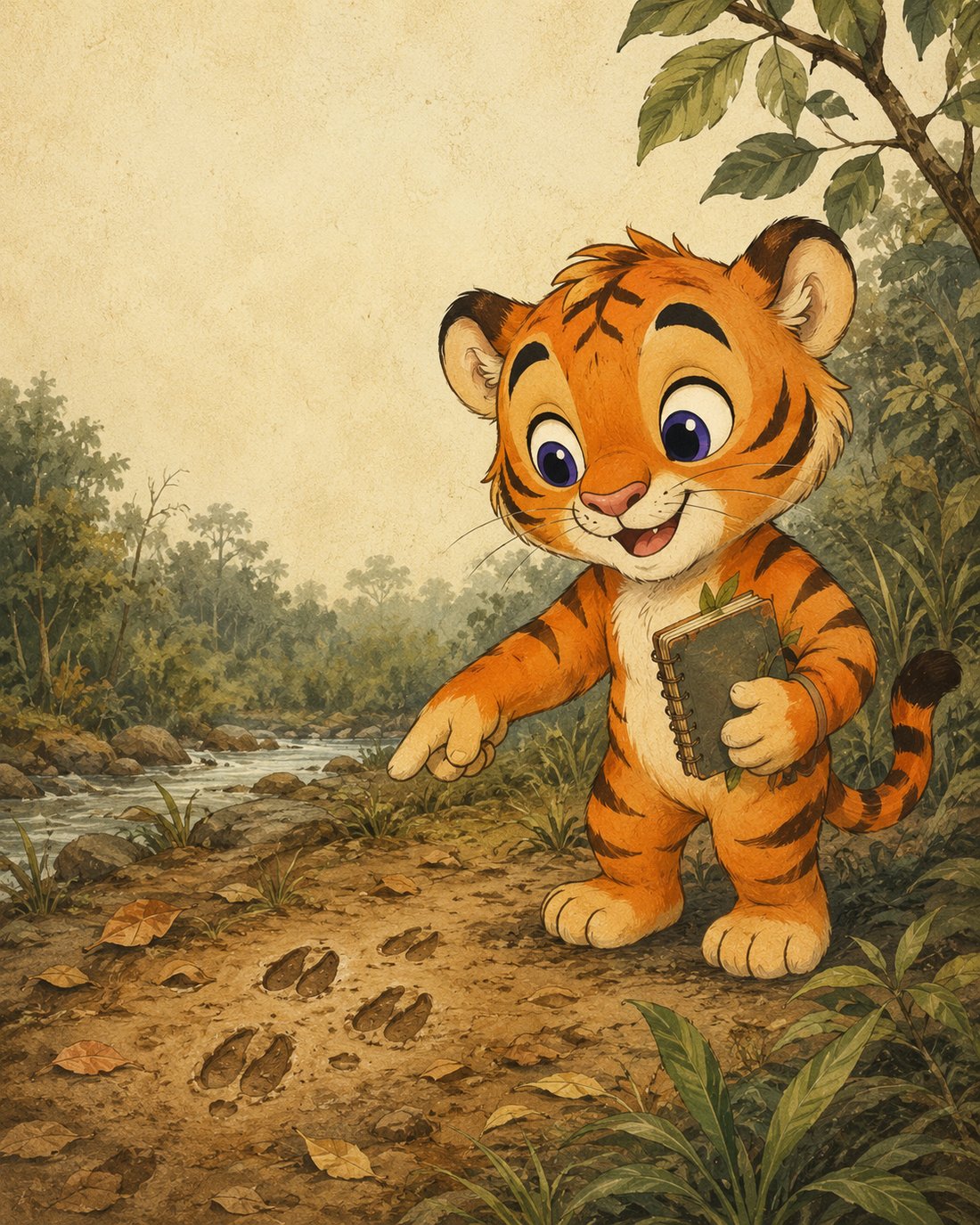
Bobby is an animated tiger cub in development as an educational project: a way to introduce young audiences, in India and around the world, to wild tigers — the forests they depend on, the pressures they face, and the recovery already under way.

A century ago, tigers numbered in the tens of thousands and ranged across most of Asia. Three of the nine known subspecies — the Caspian, Javan, and Balinese — are already extinct. The decline has slowed, and in places reversed, but the margin remains thin.
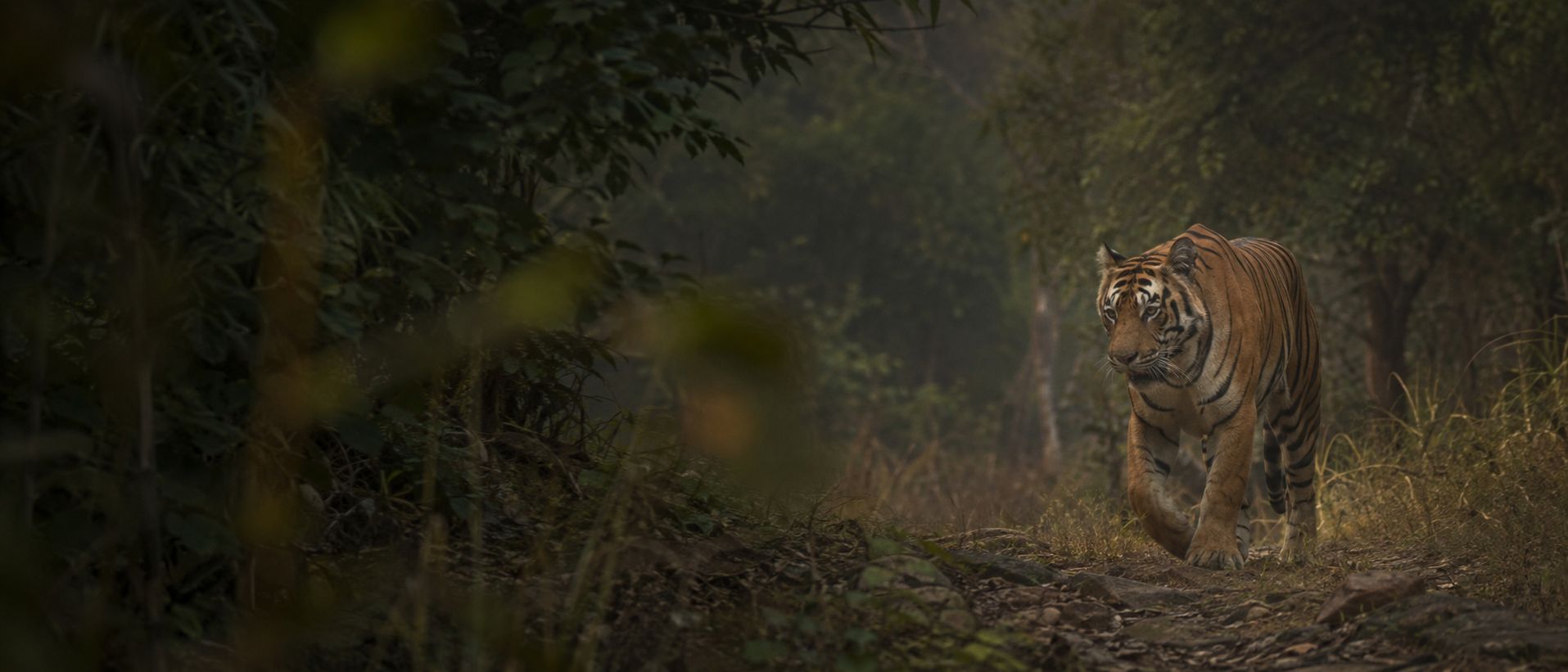
Sources, as of 2026: Global Tiger Forum and WWF (global estimate of about 5,574 wild tigers); National Tiger Conservation Authority of India (2022 census). Estimates are updated as national surveys are completed — check the sources for the latest figures.
The case for saving tigers reaches well beyond one species. Because of where the tiger sits in the food web — and how much intact, connected forest it needs — its fate is tied to the health of whole ecosystems and the people who depend on them.
Tigers are apex predators. By regulating deer, wild boar, and other herbivores, they prevent overgrazing and keep vegetation, soil, and water systems healthy. Remove the top predator and the food web can unravel — what ecologists call a trophic cascade.
The tiger is an umbrella species: it needs vast, connected, prey-rich forests. Safeguarding tiger habitat automatically protects countless other plants and animals sharing the same landscape — many of which would never attract funding on their own.
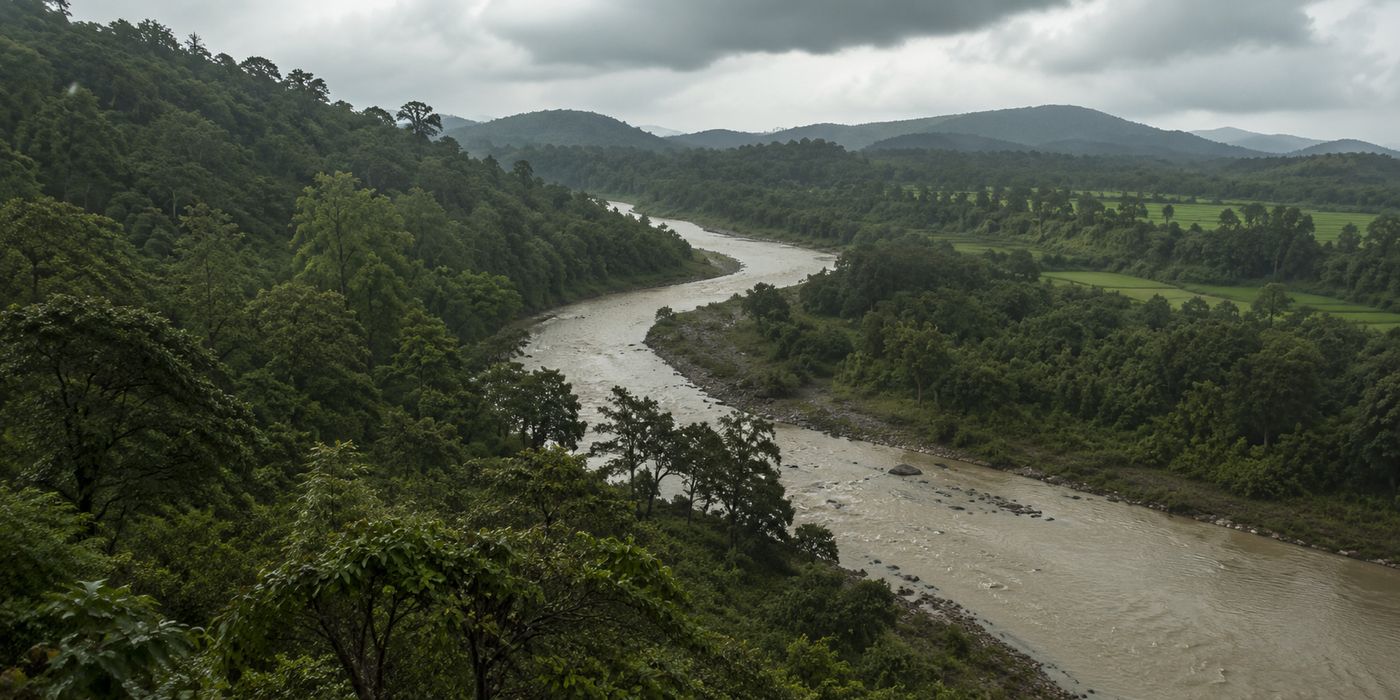
The forests tigers need are also watersheds and carbon sinks. They regulate rainfall, reduce flooding, store carbon, and supply fresh water to millions of people downstream. A protected tiger reserve is protected infrastructure for human communities.
Tigers run through the mythology, art, and identity of many Asian cultures — the tiger is India's national animal — and they anchor wildlife-tourism economies that support jobs and give local communities a direct stake in keeping habitat intact.
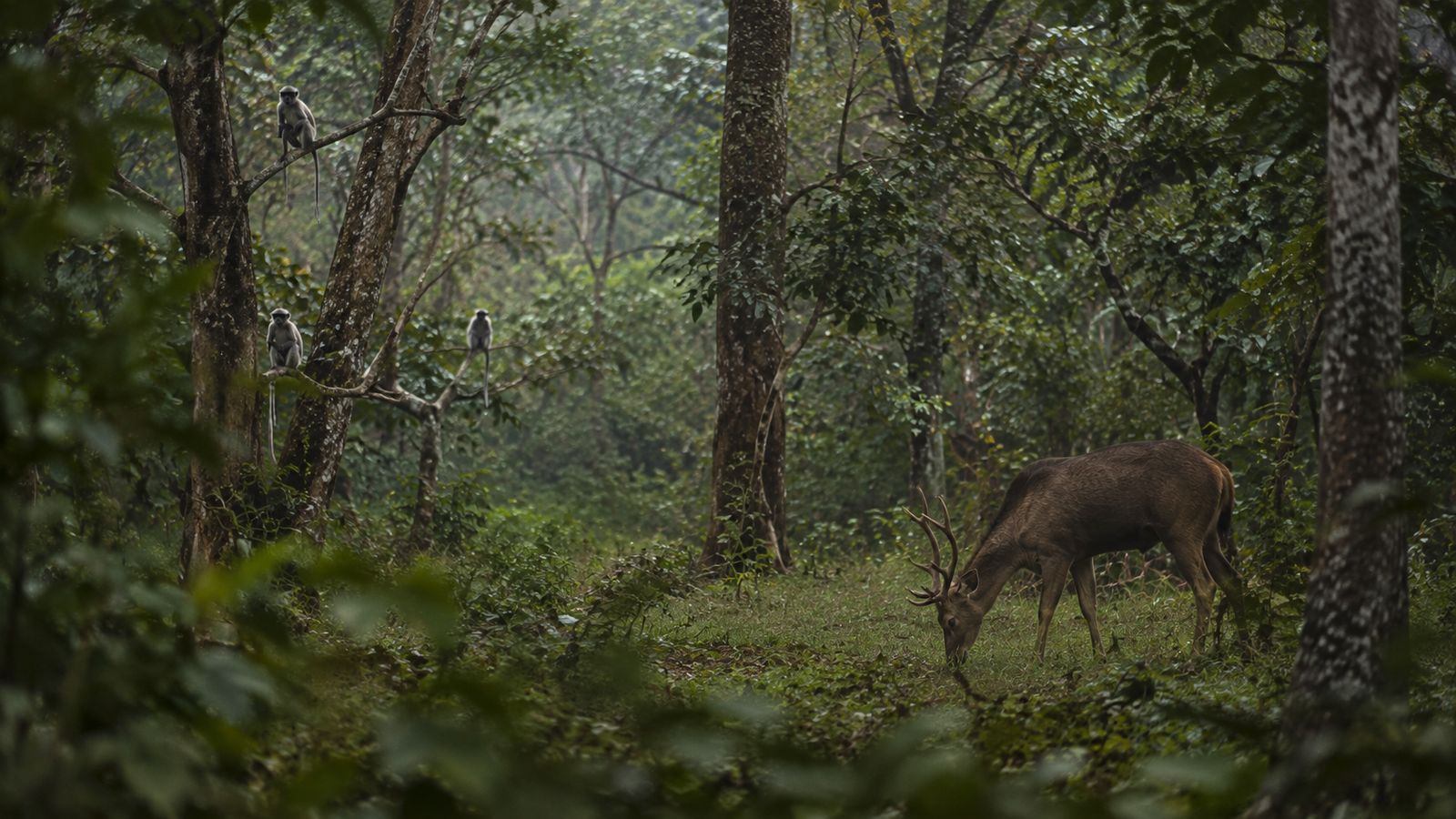
Because tigers need so much intact habitat, their numbers are also a barometer: where tigers are doing well, the wider environment usually is too.
The threats are well understood. Responses include habitat protection, law enforcement, landscape connectivity, and locally developed approaches to coexistence with the people who share these landscapes.
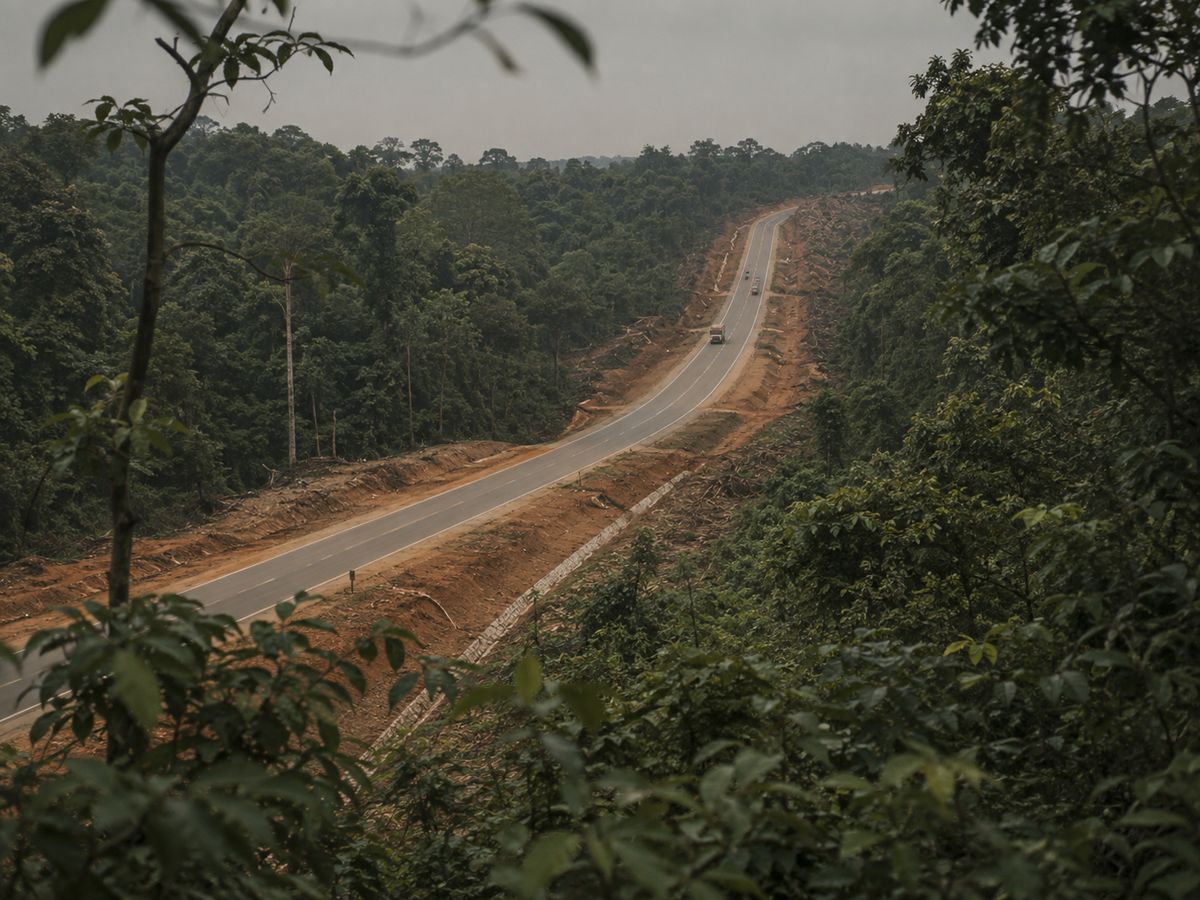
Forests cleared for agriculture, plantations, roads, and settlements break tiger ranges into isolated islands too small to sustain them.
Tigers are killed for skins and body parts used in traditional medicine; captive-tiger "farms" can mask and feed the illegal market.
Overhunting of deer and wild boar leaves tigers without enough to eat, even where forest still stands.
Where tiger and human territories overlap, livestock loss can lead to retaliation. Lasting solutions must protect both people and tigers.
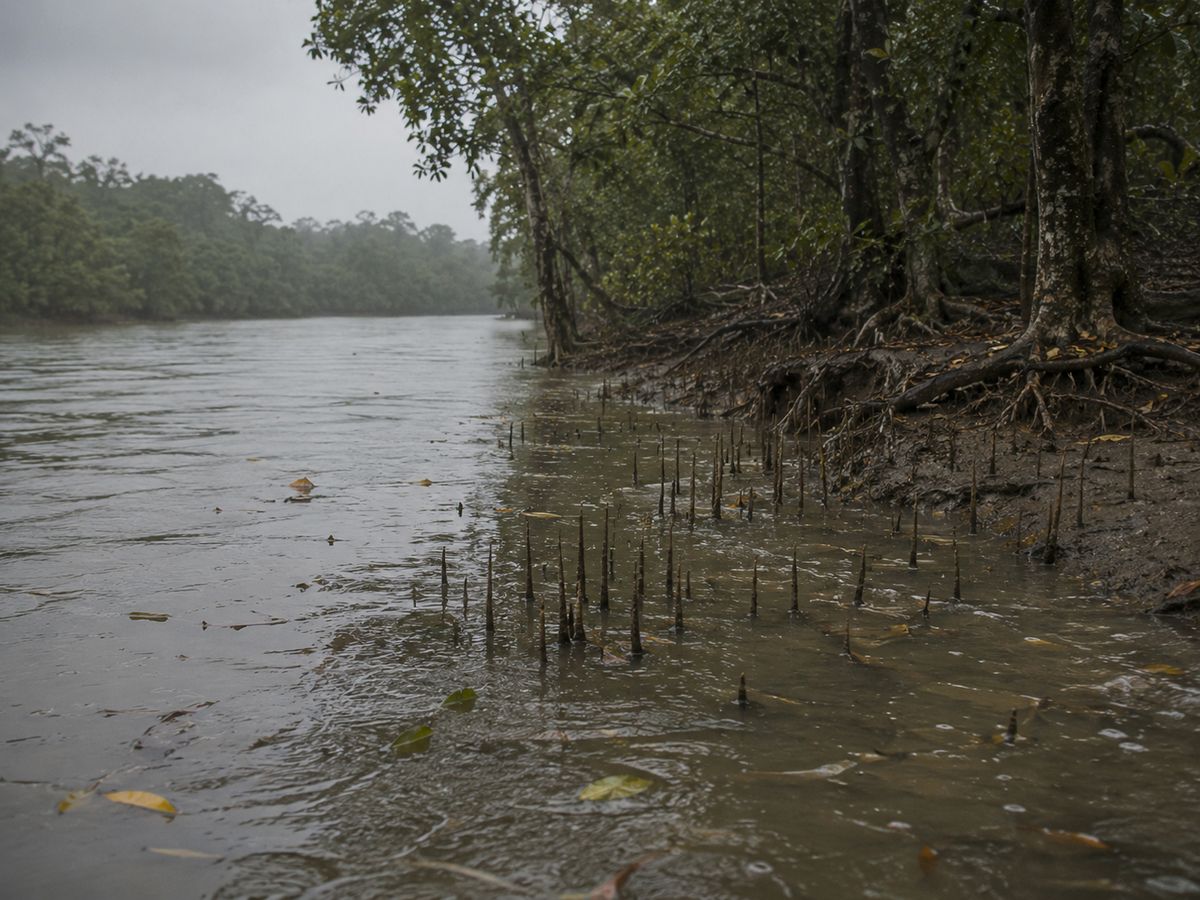
Rising seas threaten critical habitat such as the Sundarbans mangroves — home to a unique tiger population shared by India and Bangladesh.
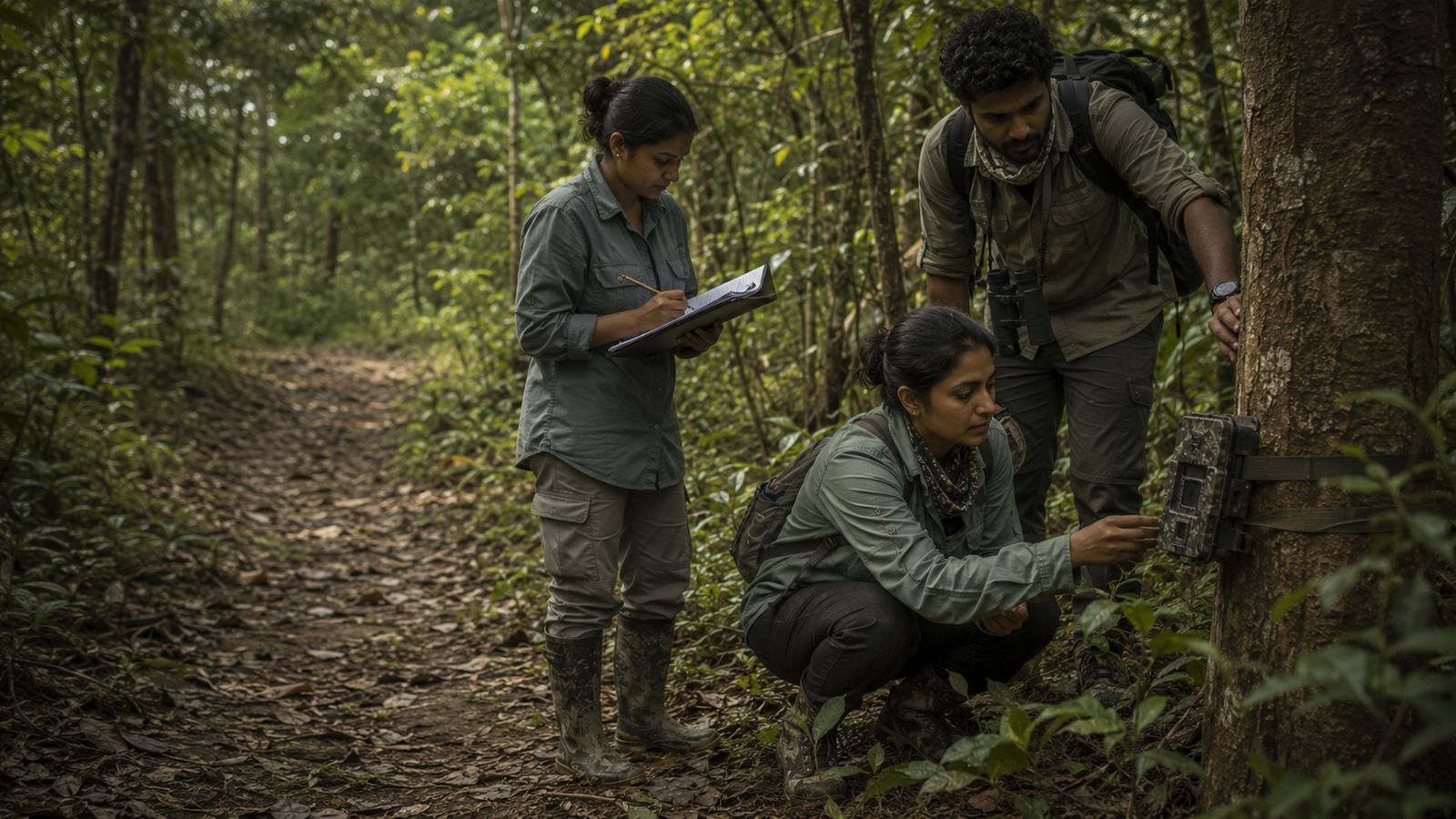
After falling to an all-time low, wild tiger estimates have risen sharply — with populations stable or increasing in India, Nepal, Bhutan, Russia, and China. It is strong evidence that when governments, communities, and conservationists act together, tiger populations can recover. The progress is real but uneven: habitat continues to shrink across much of Southeast Asia, and several populations remain on the brink. Sustained protection, connectivity, and public support will decide whether the recovery holds.
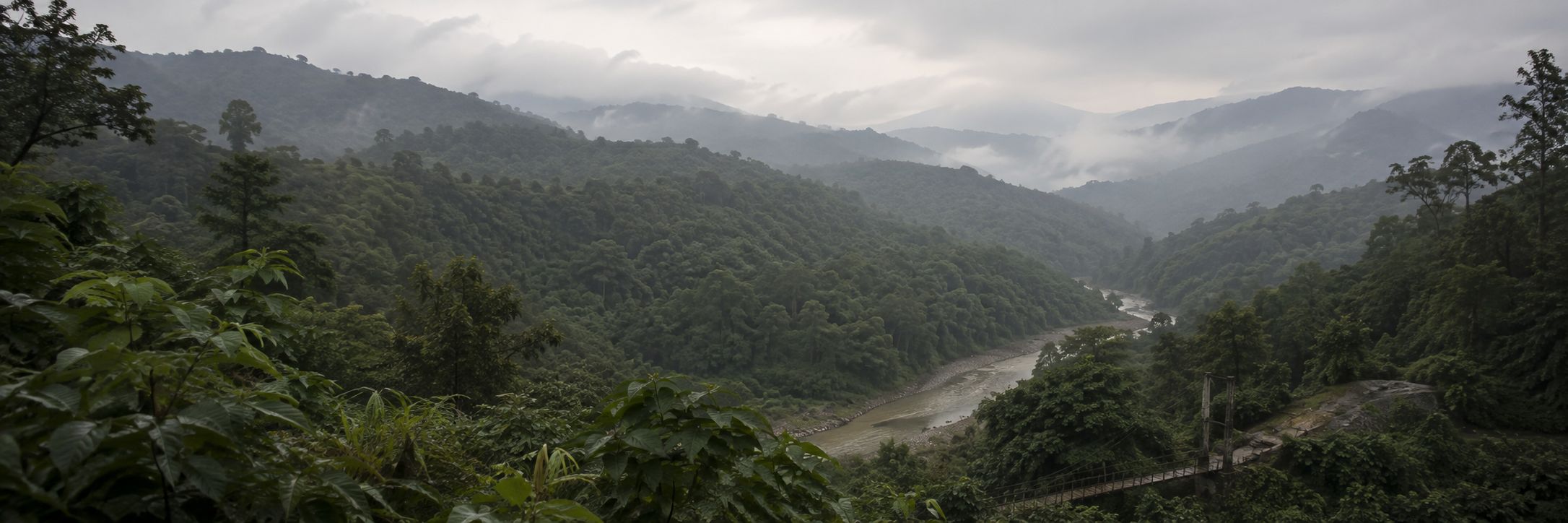
Tiger landscapes span enormously different places — from the Sundarbans mangroves to the forests of Southeast Asia and the Russian Far East — each with its own communities, languages, and conservation challenges. National action matters most, and it works best when matched by cooperation across borders.
The thirteen recognized tiger range countries. Faded names mark Cambodia, Laos, and Vietnam, where wild tigers are now considered functionally extinct.
Most children will never see a wild tiger. Bobby is designed to close that distance: an animated tiger cub whose stories give young audiences an approachable way into tiger conservation — the animals, the forests, and the people who live alongside them.
Stories can begin the connection; accurate, age-appropriate learning deepens it. The project pairs Bobby's adventures with factual material like the science on this page, so that entertainment and understanding reinforce each other rather than compete.
Bobby is currently in development. The aim is a set of resources — film, classroom material, books — created with conservation scientists and educators, and adapted with local partners, with the aim of making the material relevant across different languages, curricula, and cultures — in tiger range countries and beyond.
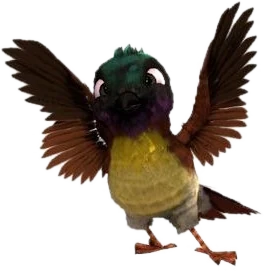
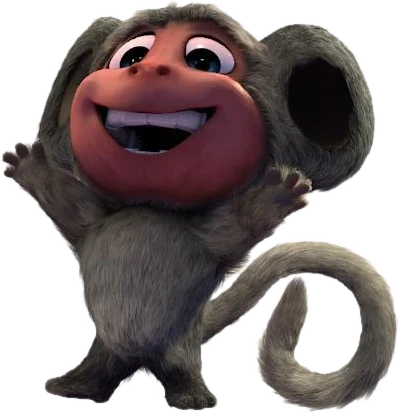
Bobby does not explore the forest alone. Each companion opens a different window on the same landscape — the canopy, the treetops, the branches — and on the animals who share it with tigers.
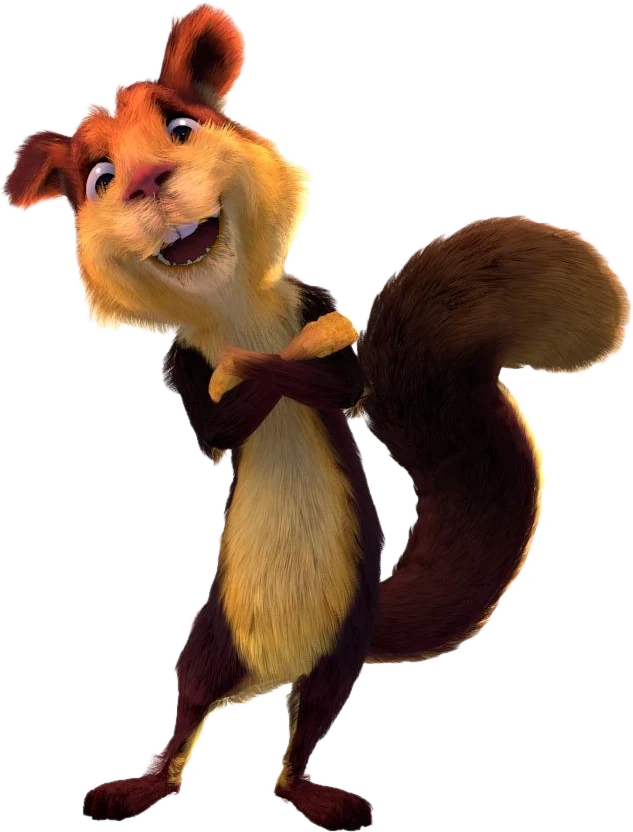
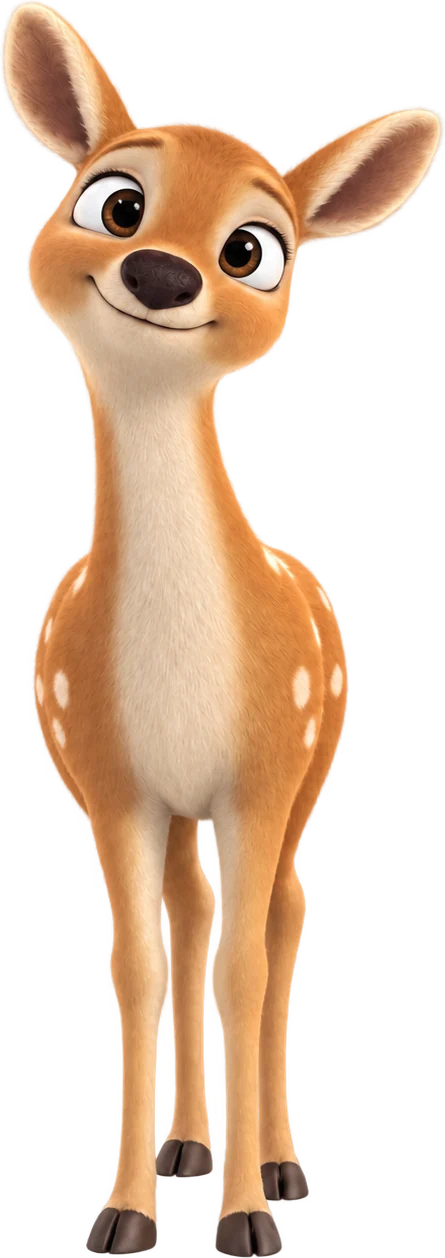


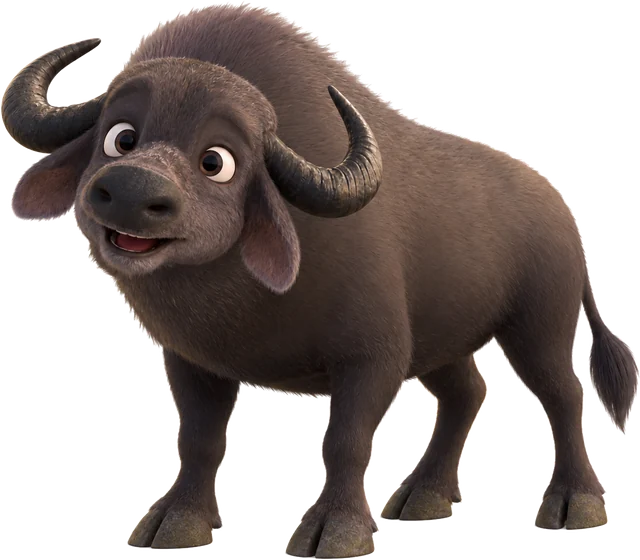
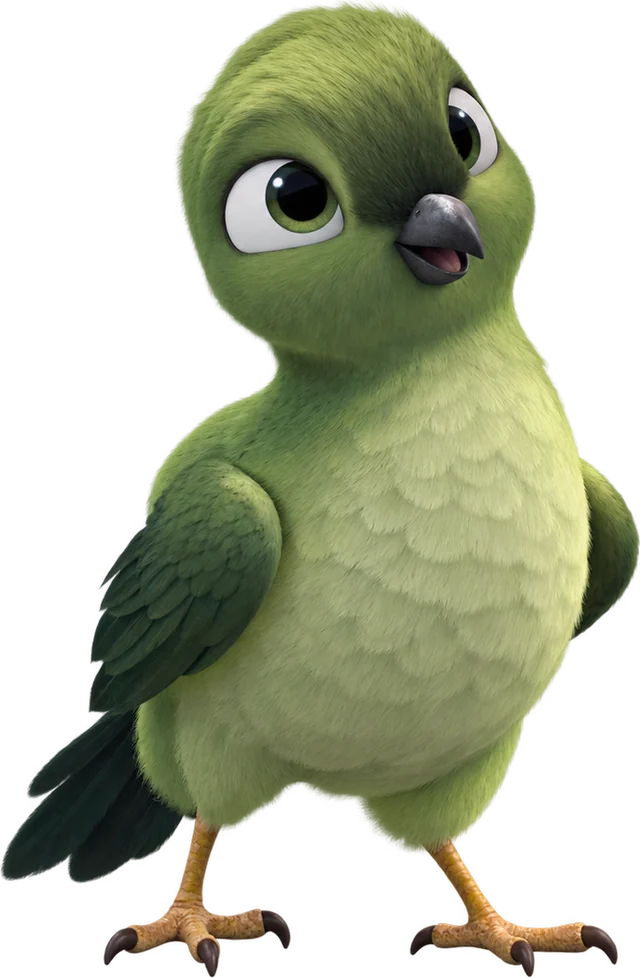
The project is planned around an animated film — the first place young audiences would meet Bobby and the world he lives in.
Age-appropriate lesson material, developed with educators, to turn the stories into a conservation unit teachers can actually use.
Illustrated storybooks, shorts, and activities that encourage continued interest in tigers and the natural world.
Translations and adaptations shaped with local educators and conservation groups, so the material fits each country's language and context.
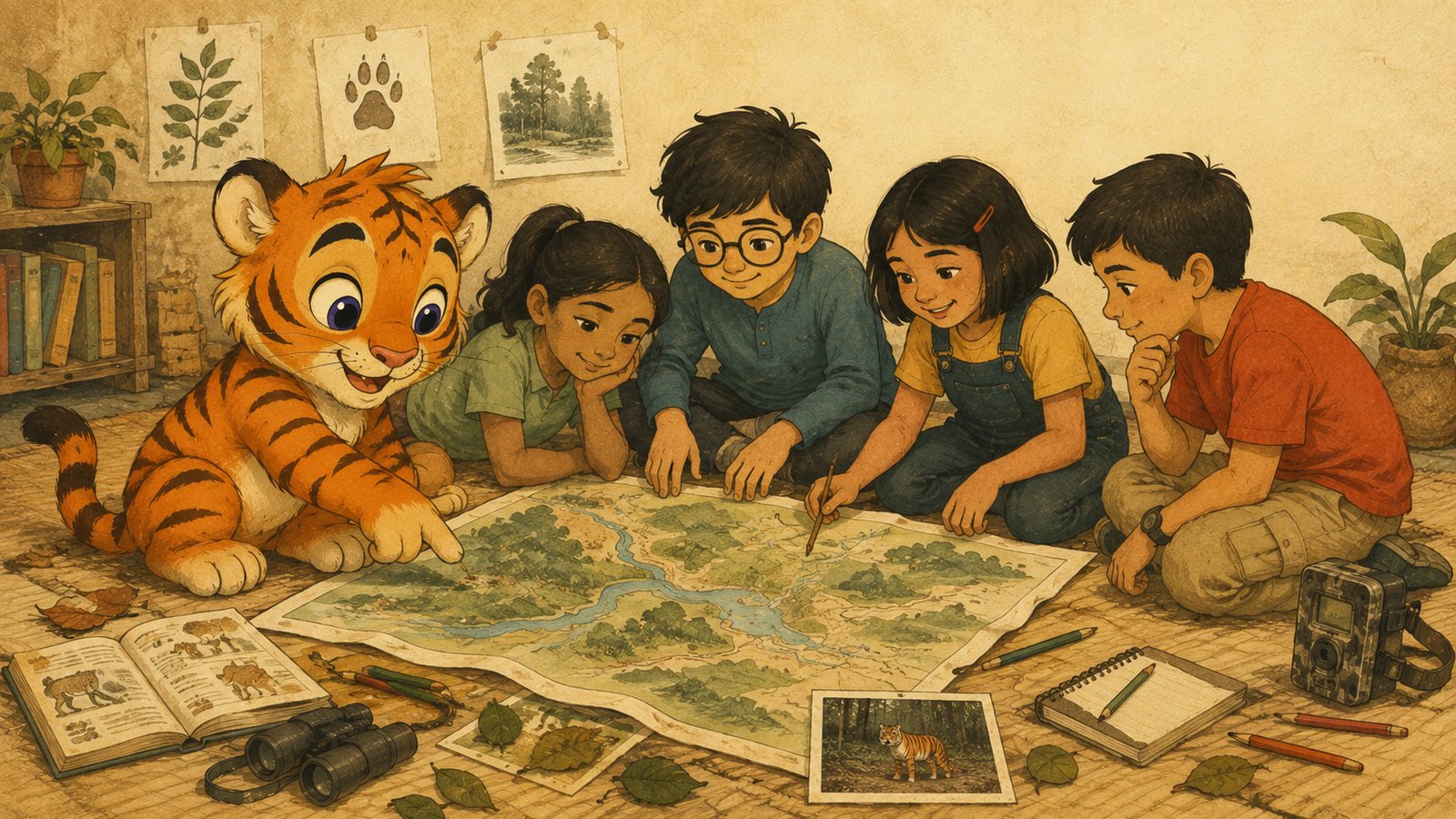
Made for the project, and free to read and print once they are published. Each one starts where a child is: a sing-along colouring book for the youngest, and puzzles for the early years.
A sing-along colouring book with the film's song “I am a Tiger Cubby”, a few lines on each page in English and Hindi. Sing it, then colour it in.
Coming soon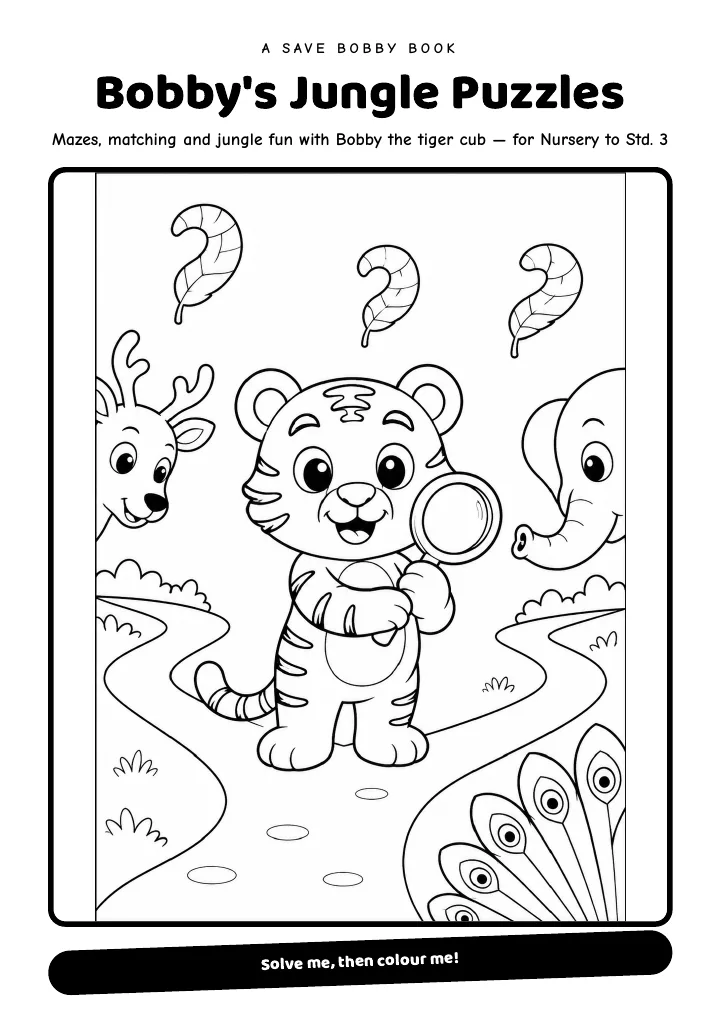
Mazes, matching and jungle games with Bobby, for Nursery to Std 3. Solve it, then colour it in.
Coming soonLet's Save Bobby is the work of a small team — educators, filmmakers, musicians, and artists — led by Prof. Vilas Padhye, the film's writer and director and Registrar of Dr. Homi Bhabha State University in Mumbai.
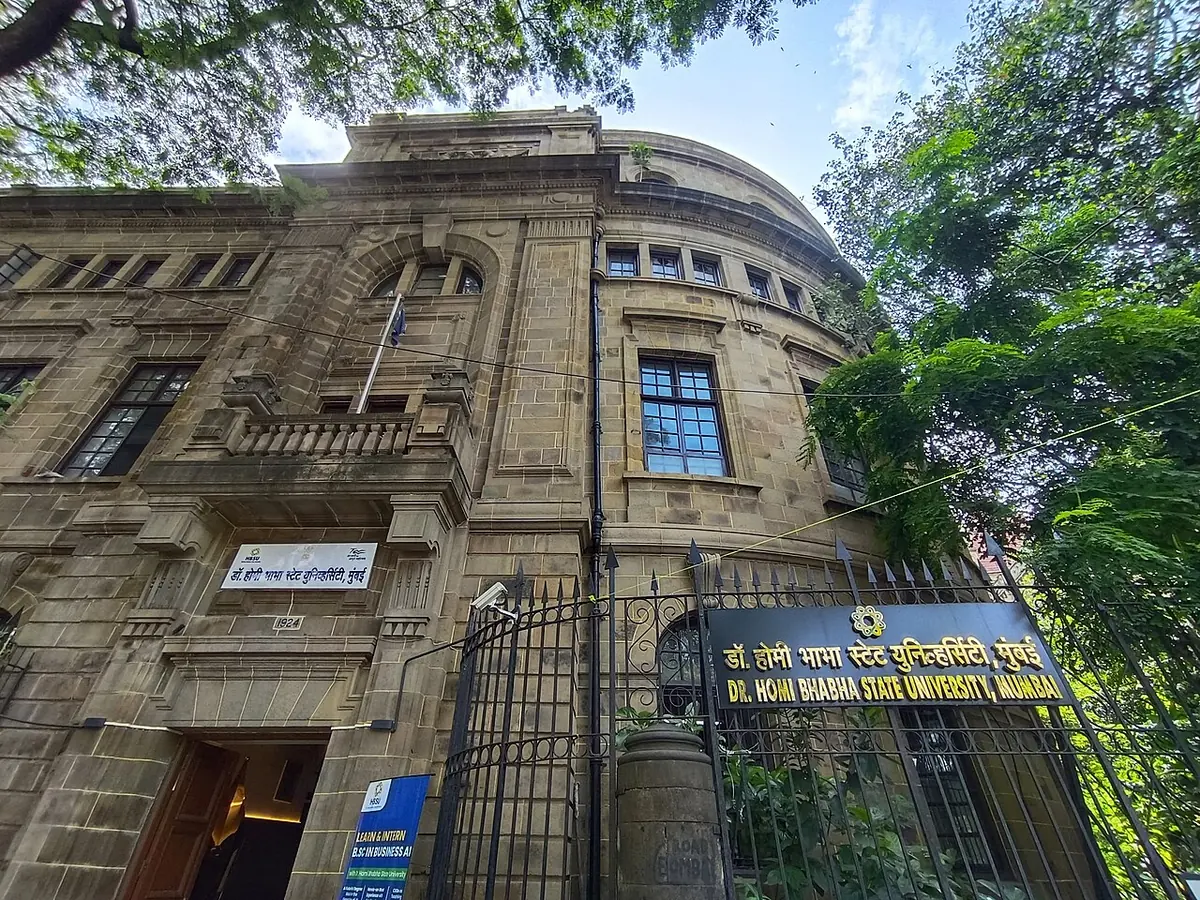
A public state university in Mumbai and the first cluster university established by the Government of Maharashtra, founded in 2019. It brings together six long-established government colleges of South Mumbai: The Institute of Science, Elphinstone College, Sydenham College of Commerce and Economics, the Secondary Training College, the Forensic Science Institute, and Sydenham College of Management (SIMSREE).
Between them those institutions carry more than a century of teaching. Elphinstone College came into existence well before the University of Mumbai it was later affiliated to; Sydenham opened in 1913 as the first college of commerce in Asia; and The Institute of Science was established by royal charter in 1920. The university is the professional home of this project's writer and director.
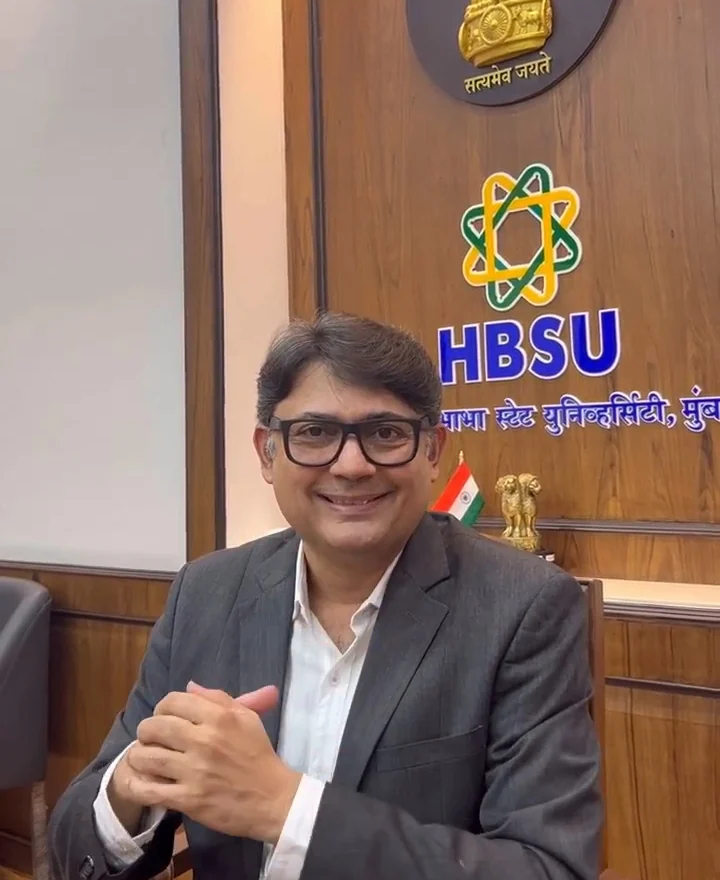
Writer and director, Let's Save Bobby · Registrar, Dr. Homi Bhabha State University
Prof. Vilas Padhye is Professor and Head of the Department of Psychology at Elphinstone College, Mumbai, and Registrar of Dr. Homi Bhabha State University in the city. He also chairs the university’s Board of Studies for Psychology and is a recognised guide for its Psychology PhD programme. He placed third in the university merit list for his BA and second for his MA in Psychology, and passed the lectureship eligibility test at his first attempt. Selected by the Maharashtra Public Service Commission for the Maharashtra Education Service, he left his M.Phil studies at Jawaharlal Nehru University midway to take up a teaching post.
Padhye developed the Teacher Assessment Scale (TASC), which gathers students’ feedback on teachers’ performance. The Directorate of Higher Education, Maharashtra, adopted it for use in colleges across the state. His 2012 PhD at Amravati University examined the scale using a sample of about 15,000 college students across Maharashtra. His prescribed university textbook, आधुनिक सामान्य मानसशास्त्र (Advanced General Psychology, 2015), revises मानसशास्त्र – एक परिचय (Psychology: An Introduction, 2004). He has published fifteen papers in international journals and conducts workshops on research methods and statistical software. He currently leads the NIEPA-funded project College Readiness and Student Success in Higher Education in Maharashtra: An Empirical Analysis.
As Registrar, Padhye is member secretary of the university’s Management Council, Academic Council and Fee Fixation Committee, and he previously served as its Finance and Accounts Officer. His public service roles include coordinating higher education contributions to Aurangabad district’s Vision Document 2020, and serving as Chief Coordinator for Maharashtra’s Ideal Teacher Awards in 2008–09 and 2009–10 and the Savitribai Phule Awards in 2009–10. In 2006 he received the Rajiv Gandhi administrative reforms prize from the Chief Minister of Maharashtra. Awarded once every two years and judged by the Chief Secretary, it recognises exemplary contributions through new systems of governance that others can replicate.
Born and raised in Amravati, Maharashtra, in a family of educators — both his parents were college professors — Padhye was drawn to the Melghat forests early in life. He prefers trekking with forest guards and members of the Korku and Gawali communities to travelling through the forest on vehicle safaris. Since his college days he has volunteered for the annual tiger census, working with the pugmark method, and he is a wildlife photographer. With support from the Blender Foundation in the Netherlands, he wrote and directed the award-winning animated film on tiger conservation, Let’s Save Bobby.

Co-founder and Technical Director, Weybec Studios
Pratik Solanki is the technical force behind Weybec Studios, bringing more than ten years of expertise in Blender and CG production. He specialises in developing custom tools and add-ons that improve production efficiency and strengthen the studio’s technical pipeline. His combination of technical knowledge and practical production experience helps Weybec Studios maintain a streamlined and innovative workflow.

Co-founder and Creative Director, Weybec Studios
Niyal Parmar serves as the creative and visual driving force of Weybec Studios. As Creative Director, he leads artistic direction while also managing client relationships and overseeing production. His role involves shaping the visual identity of projects and guiding them from the initial creative concept through to the final frame.

Co-founder and CG Supervisor, Weybec Studios
Nita Ravalji is the CG Supervisor at Weybec Studios and is responsible for maintaining the visual quality and consistency of the studio’s work. She oversees key areas of CG production, including shading, lighting, colour, and final image development. Her attention to detail helps ensure that every completed frame reflects the intended creative vision and quality standards of Weybec Studios.

Music arranger and composer
Vinayak Garud is a music arranger and composer based in Pune, with over thirty years of experience in Indian music. He has worked with several well-known figures, among them Padma Shri Anup Jalota, and has contributed to many music productions. He has several albums to his credit.
He has played an important part in nurturing and launching the careers of many young singers and musicians. With a deep understanding of the nuances of Indian music, he is known for being soft-spoken and approachable, and his commitment to mentoring emerging talent has earned him respect in the music fraternity.

Wildlife filmmaker, photographer, and documentary storyteller
Kiran Ghadge is a wildlife filmmaker, photographer, and documentary storyteller based in Maharashtra, India. His work focuses on wildlife, conservation, natural history, and the relationship between people and the wild.
With a background in visual storytelling and years of experience working in the field, he has created films and photographic stories across India and internationally, documenting wildlife, conservation initiatives, and the people working to protect our natural heritage. His interests also extend to ornithology, wildlife rescue, and human–wildlife coexistence.
He is a strong advocate for ethical and responsible wildlife photography and filmmaking. Through his films, photographs, workshops, talks, and mentoring, he aims to encourage a deeper understanding of the natural world and inspire the next generation of wildlife photographers and storytellers. He is a member of the Indian Documentary Producers Association, and continues to work on independent and commissioned projects that bring important stories from the wild to a wider audience.
Tiger recovery ultimately depends on habitat, enforcement, and policy — but everyday choices feed into all three.
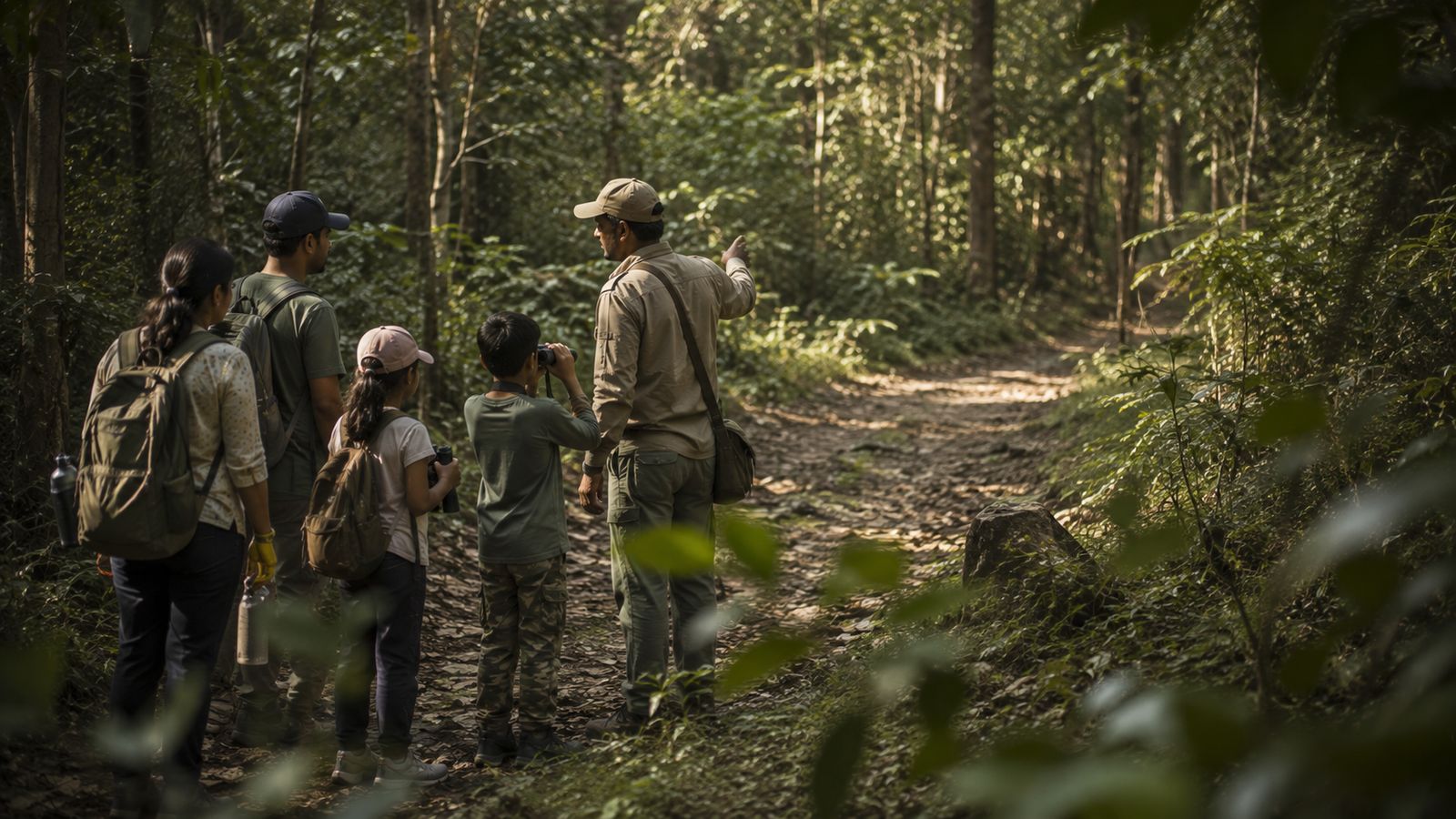
Groups working on the ground in tiger landscapes turn donations into rangers, habitat, and community programs.
Skins, bones, and derivatives — refusing them, and discouraging others, shrinks the market that drives poaching.
Responsible tourism funds protection and local communities. Avoid facilities that breed or exhibit captive tigers for entertainment.
Habitat loss and climate change are driven by wider consumption — avoiding products linked to deforestation helps more than it seems.
Public support sustains conservation across decades. Helping the next generation understand tigers is where this whole project began.
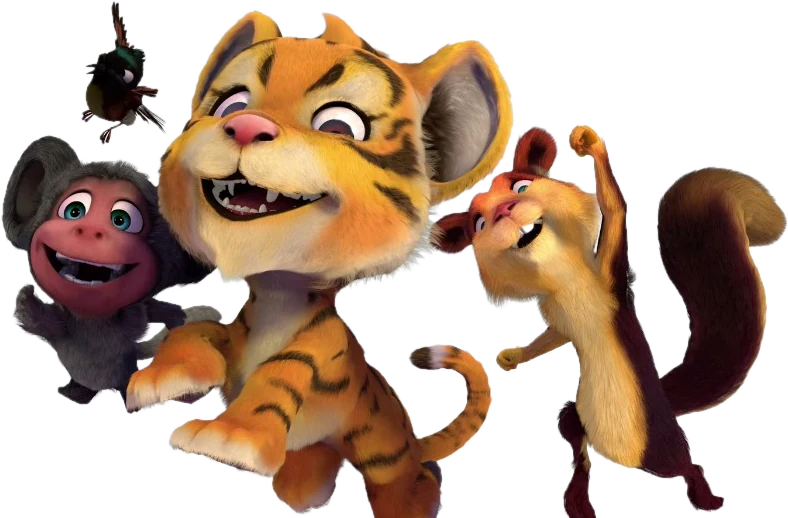
Bobby is being developed as a shared resource. Educators, conservation organizations, broadcasters, publishers, and funders are invited to help shape it — from reviewing the science to adapting the material for their own region.